
EV Collision Repair Houston: Electric Vehicle Body Repair
Quick Answer
EV collision repair in Houston requires more than cosmetic work alone. Electric vehicles need careful repair planning, safe handling, and precise body repair methods to protect both performance and safety systems.
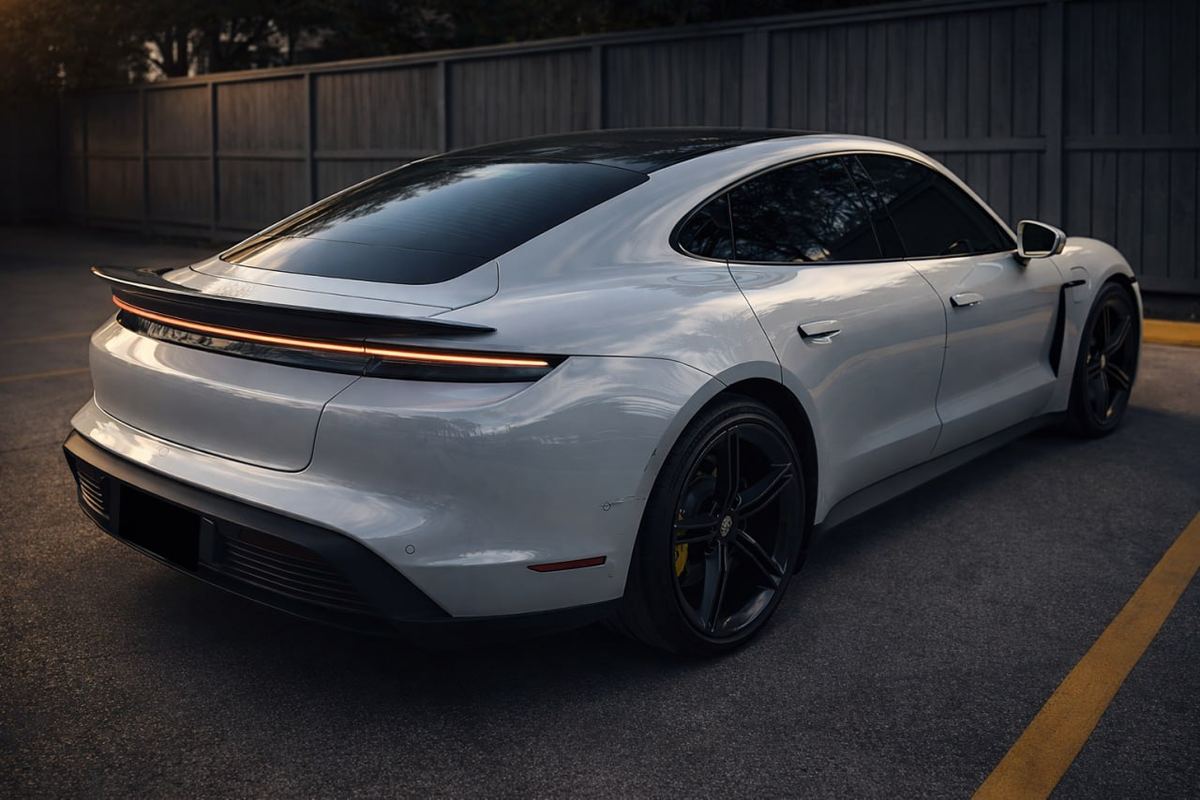
If you need EV repair Houston drivers trust, quality process matters more than fast talk. Electric vehicles need careful planning, precise repair sequencing, and clear communication from estimate to delivery.
Table of Contents
Quick Guide: How to Choose EV Body Repair in Houston
- Choose a shop with real EV repair experience, not generic claims.
- Ask how they plan repairs around EV component-sensitive zones.
- Confirm paint/refinish quality standards before approving work.
- Look for timeline transparency and practical customer updates.
- Prioritize repair quality over low-price shortcuts.
What EV Repair Includes
If your EV was involved in an accident, our collision repair services provide the structural and cosmetic restoration needed to return your vehicle to proper condition.
At MPB Works, we provide EV collision repair and electric vehicle body repair in Houston, helping drivers restore electric cars and Teslas after accident damage with a process built for modern EV platforms.
EV body repair is the process of restoring an electric vehicle after impact damage while protecting the vehicle’s structural and system-adjacent areas. On the surface, some repairs can look similar to traditional collision work, but the planning and sequencing are often more sensitive.
In practice, proper electric vehicle repair includes full damage mapping, controlled panel restoration, accurate fitment, and refinishing that blends correctly under different lighting conditions. A rushed “quick fix” can look acceptable for a week, then show gaps, mismatched finish, or quality issues later. That is why process discipline matters.
At MPB Works, we focus on practical outcomes customers care about most: your vehicle should look right, drive right, and feel right when you pick it up.
How EV Body Repair Differs From Traditional Collision Work
Repair Planning Must Be More Intentional
With electric vehicles, the estimate and disassembly plan usually needs tighter control. Teams must account for component location, structural zones, and repair order before real work begins. That extra planning reduces avoidable delays and quality misses.
Panel Fit and Surface Finish Are Less Forgiving
Many EV owners expect premium-level finish quality, and for good reason. Body lines, panel alignment, and paint blend consistency are highly visible on modern EV designs. Precision in prep, alignment, and refinishing is non-negotiable if the final result is supposed to look factory-clean.
Parts and Timeline Coordination Matter More
A high-quality EV repair job depends on sequencing: estimate, part availability, structural/body phases, refinishing, and final QC. Shops that communicate clearly through those steps create better customer outcomes and less stress during the process.
Experience in the Field Is the Real Differentiator
As a local EV body shop, our team also repairs Tesla and other electric vehicles that require precision body repair and refinishing standards.
The biggest difference is not marketing language. It is repeatable experience. Shops that regularly handle EV body repairs are usually better at avoiding rework, preventing process confusion, and delivering consistent fit-and-finish quality.
Our EV Repair Workflow: From Intake to Delivery
- Initial intake and visual assessment: We document visible damage and identify likely impact zones.
- Repair blueprint and estimate: We define scope, phases, and expected timeline path.
- Disassembly and hidden-damage review: We confirm full repair requirements before final sequencing.
- Body and alignment work: Structural/body correction is completed with attention to fit and geometry.
- Refinishing and blend control: Paint prep and finish are handled for clean visual consistency.
- Final QC and handoff: We verify workmanship and review completion details with the customer.
This workflow is designed to keep EV repairs efficient without sacrificing standards. It is not about adding complexity; it is about avoiding mistakes that cost time and quality later.
Types of EV Damage We Repair
- Front-end and rear-end impact body damage
- Door, fender, and quarter-panel dents and creases
- Bumper damage and mounting-point restoration
- Paint damage, scratches, and blend-zone refinishing
- Alignment-sensitive body correction and frame-related impact work
For related pages, see our collision repair service, frame repair, and auto paint repair coverage.
Local EV Repair Support in Spring Valley and Memorial Area
MPB Works supports EV owners across Spring Valley, Spring Branch, Hedwig Village, Bunker Hill Village, and Hunters Creek Village. We’ve served Houston-area drivers for over 33 years, and that local experience helps us keep repairs practical, transparent, and quality-focused.
Customers in this area are usually looking for three things: clear updates, dependable workmanship, and realistic turnaround. That is exactly where our process is built to deliver value.
What To Do After an EV Accident
- Move to a safe location and confirm immediate safety.
- Take wide and close photos of all damage and surrounding context.
- Open your insurance claim and keep claim details in one place.
- Schedule an EV-capable estimate with a trusted local shop.
- Review scope, timeline, and communication cadence before approval.
If you’re ready to schedule service, start on our contact page or call (713) 932-8310.
How to Evaluate EV Repair Quality Before You Commit
Most customers are not technical, and that is completely normal. You do not need to be an engineer to choose a strong EV repair shop. You only need to ask a few practical questions and pay attention to how clearly the team answers them. If explanations are vague or rushed, that is usually a warning sign.
A quality-focused EV repair process should be transparent from day one. You should understand what was found, what will be repaired, and how the shop expects to handle timeline updates. The right shop will explain this without confusing jargon and without pressure tactics.
- Ask what the first two repair phases are and why they happen in that order.
- Ask how hidden damage is documented and communicated if found later.
- Ask what controls are used to maintain fit, finish, and panel consistency.
- Ask when you should expect milestone updates during your repair timeline.
When a shop can answer those questions clearly, you usually get a better repair outcome and a smoother customer experience.
What Impacts EV Repair Timeline in the Real World
Customers often ask, “How long will this take?” The honest answer is that timeline depends on several factors working together. Damage severity is one part, but parts flow, disassembly findings, and approval timing all matter too.
For EVs, repair sequencing can be more sensitive than traditional vehicles, so rushing early phases often creates delays later. A disciplined process usually produces faster total completion than a “quick-start, fix-it-later” approach.
The best way to reduce delays is upfront planning, clear communication, and realistic expectations. That is exactly why we focus on process clarity and update cadence from the start.
EV Repair FAQs
Can any body shop handle EV repairs?
Not always. EV repairs benefit from teams with consistent electric-vehicle workflow experience and disciplined repair sequencing.
Is EV repair always more expensive?
Cost depends on impact severity, parts, and scope. What matters most is getting correct repairs the first time to avoid rework later.
Will paint and panel fit look factory-clean?
With proper prep, alignment, and blend control, EV body repairs can achieve clean, consistent visual results.
Do you handle both EV and non-EV repairs?
Yes. We provide EV and traditional collision/body repair services with the same quality-first process standards.
MPB Works provides EV collision repair in Houston with a process focused on precision, communication, and long-term repair quality.