Body Shop Houston: How to Choose the Right Repair Shop After an Accident
Quick Answer
Choosing a body shop in Houston should come down to repair quality, communication, insurance support, and whether the shop can handle body repairs, paint work, structural concerns, and related mechanical repairs in one organized process.
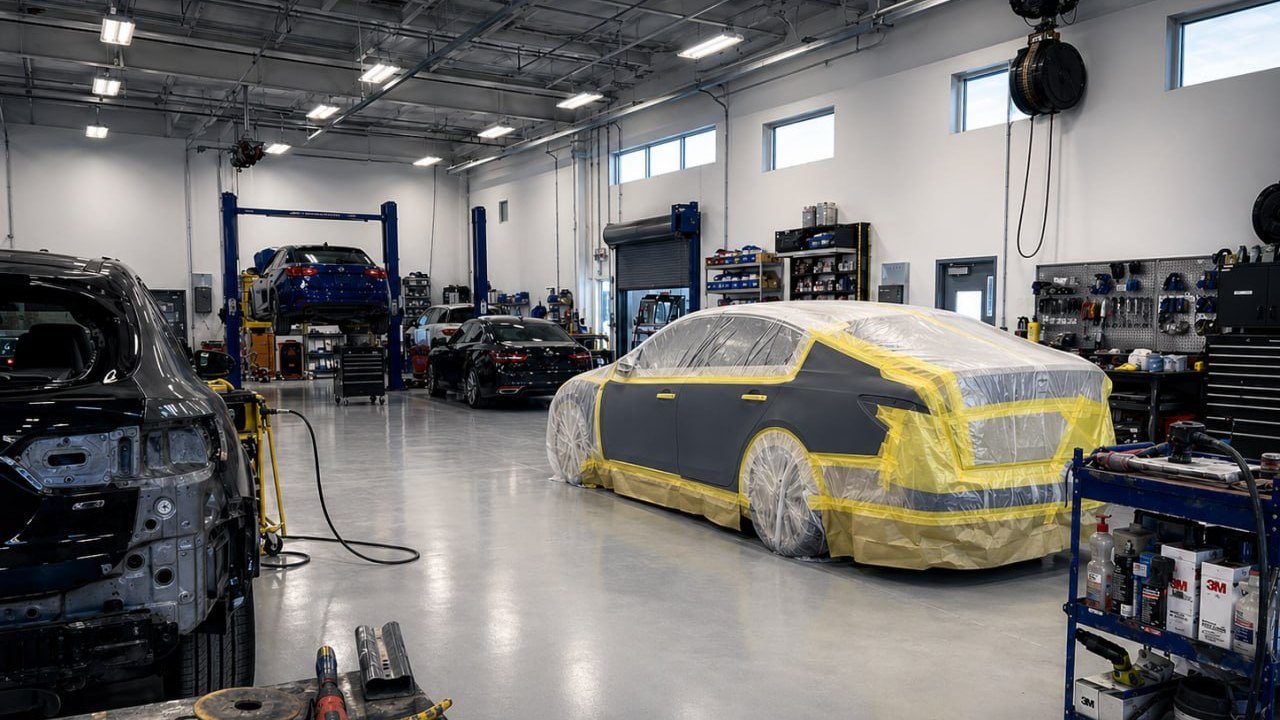
Searching for a body shop in Houston usually means something stressful just happened. Maybe your vehicle was hit, your insurance company is asking for photos, or you are trying to figure out which collision shop in Houston will repair the vehicle correctly instead of just giving the fastest answer.
This guide explains what to look for, what problems drivers run into, and how to compare shops with confidence. If you already need full-service repair support, visit our Body Shop Repair Houston service page.
Table of Contents
Quick Guide: Choosing a Body Shop in Houston
- Choose a shop that explains the repair process clearly before work begins.
- Ask how hidden damage and insurance supplements are handled.
- Look for collision, body, paint, frame, and mechanical repair coordination.
- Confirm whether the shop works with insurance and DRP repair workflows.
- Prioritize communication and quality control over the cheapest first estimate.
What Houston Drivers Struggle With After a Collision
The hardest part of choosing a body shop is that most damage is not fully visible at first. A bumper can look like a simple cosmetic repair while hiding bracket damage, sensor issues, frame concerns, or mechanical problems underneath.
Drivers also run into confusing estimates. One shop may write a very low first estimate, while another explains that teardown may reveal additional damage. That does not always mean one shop is expensive and the other is cheap. It often means one shop is preparing you for the real repair process.
Another common frustration is communication. Customers want to know where the vehicle is in the process, what the insurance company has approved, and what still needs to happen. A quality Houston body shop should make those steps easier to understand.
Quality Signals That Separate a Good Body Shop from a Risky One
A strong body shop in Houston should be able to explain more than paint and panels. The best repair experience usually comes from a shop that understands structure, fitment, refinishing, calibration needs, insurance paperwork, and final quality control.
Look for these signs
- Clear intake process and damage documentation
- Written estimates explained in plain language
- Supplement handling when hidden damage is discovered
- Paint matching and refinish process standards
- Frame, body, glass, ADAS, and mechanical awareness
- Milestone updates instead of vague status messages
At MPB Works, our repair process is built around complete repair planning, not guesswork. That matters when a vehicle needs more than one type of repair to return safely and cleanly.
Body Shop Houston vs. Collision Shop Houston: What Is the Difference?
People often use “body shop” and “collision shop” to mean the same thing. In practice, a body shop usually focuses on exterior damage, panels, paint, dents, and finish quality. A collision shop should also understand impact damage, structural concerns, insurance documentation, and safety-related repair planning.
If you are searching for a collision shop in Houston, look for a team that can inspect the full impact path, not just the visible scratch or dent. That includes bumper structure, frame-related damage, sensors, glass, wheel-area concerns, and any mechanical symptoms that appeared after the accident.
For collision-specific repairs, see our Collision Repair Houston service page.
Why DRP and Insurance Claim Experience Matters
Insurance claims can slow down when documentation is weak, supplements are unclear, or the customer has to relay every message between the shop and the carrier. That is why insurance process experience matters.
MPB Works is a DRP repair shop partner and works with insurance repair workflows regularly. We help document damage, communicate repair scope, and keep the claim process more organized. We are also a GEICO preferred repair facility, while still working with all major insurance carriers.
Important note: in Texas, you have the right to choose your repair shop. Your insurance company may recommend a facility, but you can choose the shop you trust. For more detail, read our guide on whether insurance can force you to use their body shop in Texas.
Why In-House Body Repairs and Mechanical Repairs Are a Big Advantage
Some collision damage is not only cosmetic. A vehicle may need body repair, paint work, alignment checks, suspension attention, cooling-system review, or other mechanical repairs after impact. When those steps are split between different shops, communication can become messy and timelines can stretch.
MPB Works handles both body repairs and mechanical repairs in house. That gives customers a more coordinated repair path when accident damage crosses over from exterior panels into drivability, suspension, cooling, or related mechanical concerns.
If your repair includes mechanical symptoms after a collision, review our Mechanical Repair Houston service page.
Types of Damage a Complete Houston Body Shop Should Handle
A complete shop should be able to route different repair needs through one organized process. Common post-accident repair needs include:
- Collision repair: front-end, rear-end, and side-impact damage
- Body repair: panel damage, dents, creases, and fitment issues
- Auto paint repair: refinishing, blending, clear coat, and paint match work
- Frame repair: structural checks and correction when impact affects alignment
- Bumper repair: cracks, mounting damage, scuffs, and cover replacement
- ADAS calibration: camera and sensor checks when repairs affect safety systems
- Mechanical repair: related repairs when impact affects drivability or components
That full-service approach is why many customers prefer one coordinated Houston body shop instead of bouncing between separate repair providers.
How Do You Choose the Best Body Shop in Houston TX After an Accident?
Choose a Houston body shop that can explain the repair process clearly, document hidden damage, coordinate insurance approvals, and handle the full repair path instead of only the visible cosmetic damage. After an accident, the best shop is usually the one that can manage collision repair, body repair, paint repair, frame concerns, ADAS calibration support, DRP repair workflows, and related mechanical repair in one organized process.
Drivers should also look for a shop with local Houston experience, clear milestone updates, warranty clarity, and the ability to work with major insurance carriers. MPB Works is located at 1705 Bingle Rd in Houston, TX 77055 and serves drivers across Spring Branch, Spring Valley, Memorial, Hedwig Village, Bunker Hill Village, Hunters Creek Village, and surrounding areas.
Body Shop Houston FAQ
What should I look for in a body shop in Houston?
Look for clear communication, insurance claim experience, strong documentation, paint and body repair quality, frame awareness, and the ability to coordinate related repairs without sending you to multiple shops.
Is a body shop the same as a collision shop?
The terms overlap, but a collision shop should be prepared to handle impact-related repair planning, hidden damage, insurance supplements, structural concerns, and safety-system considerations in addition to cosmetic body repair.
Does MPB Works handle insurance claims?
Yes. MPB Works works with all major insurance carriers, supports DRP repair workflows, and helps customers understand claim documentation, supplements, and repair approvals.
Can MPB Works handle mechanical repairs after body damage?
Yes. MPB Works handles both body repairs and mechanical repairs in house, which helps when collision damage affects drivability, suspension, cooling, or related mechanical systems.
Can my insurance company force me to use their preferred body shop?
In Texas, you have the right to choose your repair shop. Insurance companies may recommend a preferred shop, but you can choose the facility you trust to repair your vehicle.