
Total Loss Value Explained: What It Means, How Insurance Looks at It, and What Drivers Should Know
Quick Answer
Total loss value is usually based on your vehicle’s actual cash value before the accident, not what you still owe on it. Insurance companies look at market comparables, condition, mileage, options, and repair cost when deciding whether to repair the vehicle or declare it a total loss.
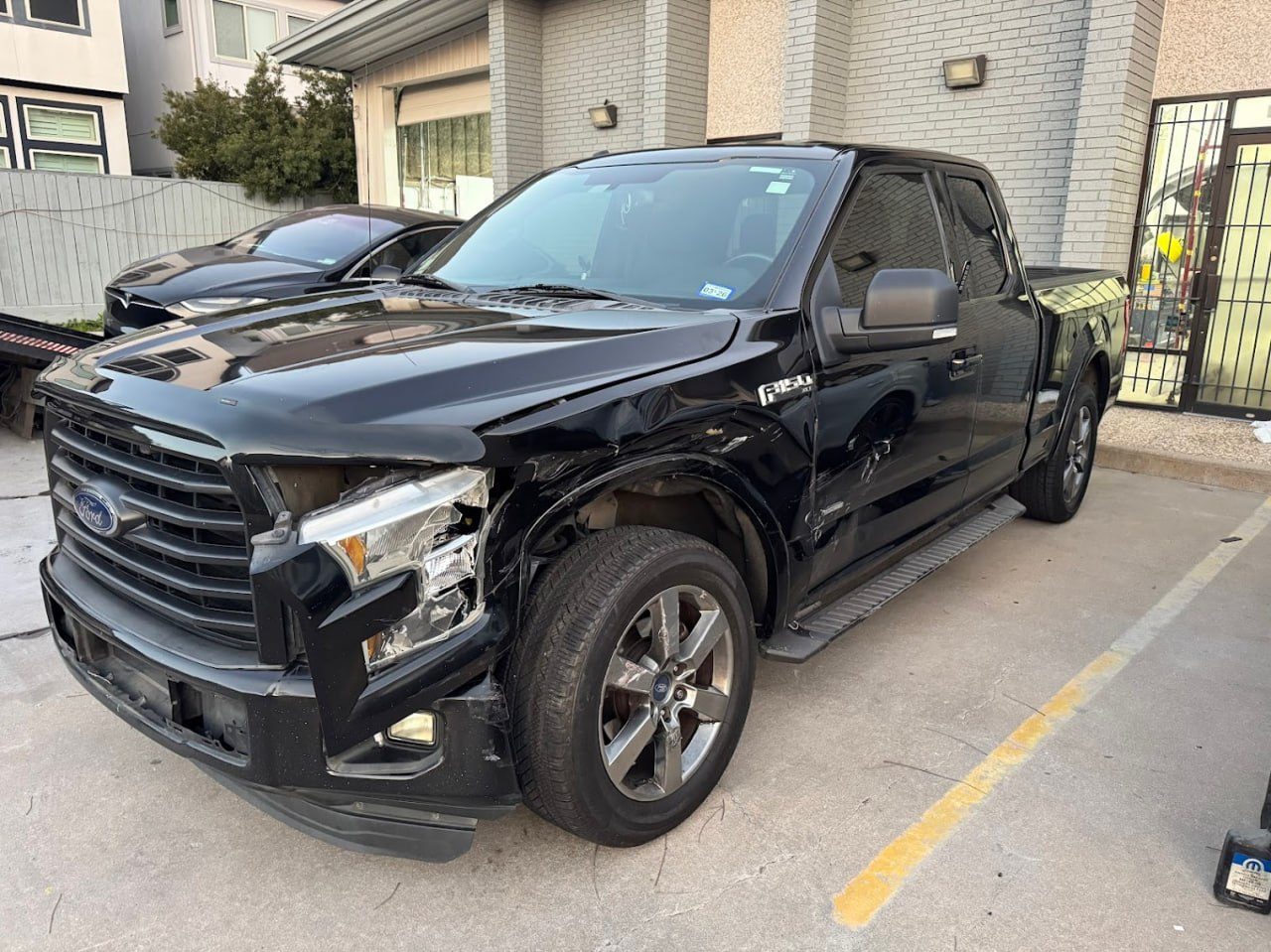
For most drivers, total loss value only becomes a real issue after an accident. That is when questions start coming fast. Is the car repairable, or is the insurance company going to total it? How do they figure out what it is worth? Is the payout negotiable? And how can you tell whether the number they offer is fair?
Table of Contents
- What Total Loss Value Means
- When Insurance Starts Considering a Vehicle a Total Loss
- How Age, Mileage, and Vehicle Value Affect the Decision
- Why Frame Damage and Airbag Deployment Matter So Much
- Why Total Loss Decisions Surprise So Many People
- Can You Negotiate a Total Loss Payout?
- How Maintenance and Condition Affect the Payout
- Should You Buy Back a Totaled Vehicle?
- What Happens Next if the Vehicle Is Totaled
- Use Our Houston Vehicle Value Tool
- FAQ
Quick Guide
- Total loss value is tied to actual cash value, not what you still owe or what you hope the car is worth.
- Many insurers start looking closely at a total loss once repair cost reaches around 65% of the vehicle’s ACV, though every claim is case by case.
- Older vehicles often total more quickly because their market value is lower.
- Frame damage and airbag deployment can push a car toward total loss faster than customers expect.
- You may be able to negotiate the payout if you have strong comparable values and recent maintenance records.
What Total Loss Value Means
Total loss value is the number insurance companies use when deciding whether it makes financial sense to repair a vehicle or pay the owner for its actual cash value instead. In simple terms, it is tied to what the vehicle was worth on the market right before the accident, not what it would cost to replace it with a brand-new one.
This is where many drivers get caught off guard. They may know what they paid for the vehicle, what they still owe on the loan, or what they would ask for it if they listed it for sale. Insurance is usually looking at something different. They are looking at actual cash value, local comparable vehicles, condition, mileage, trim level, accident history, and market demand.
That is why vehicle valuation matters so much in a total loss claim. If you do not understand how the insurer is reaching their number, it is hard to know whether the payout is fair.
When Insurance Starts Considering a Vehicle a Total Loss
A lot of total loss decisions start becoming a serious possibility once repair cost gets to around 65% of the vehicle’s actual cash value. That is not a hard universal rule in every claim, but it is a useful benchmark for understanding how insurers think.
For example, if a vehicle is worth around $10,000 and estimated repairs reach about $6,500, the insurance company may begin seriously considering whether to total it. That does not automatically mean the vehicle will be totaled, but it is often the point where the economics of the repair start getting harder to justify.
At the end of the day, the final decision belongs to the insurance company. Even so, understanding the likely threshold helps customers prepare for what may happen next.
A car does not have to be destroyed to be considered a total loss. It only has to reach a point where the insurer believes repair cost and risk no longer make financial sense compared to the vehicle’s market value.
How Age, Mileage, and Vehicle Value Affect the Decision
Age and mileage play a huge role in total loss decisions. Vehicles that are 10 years old or older often lean toward the total-loss side much faster because their market value is lower, even if they still run well and have been dependable for the owner.
This is why a relatively simple repair on an older vehicle can surprise people. A 1998 BMW, for example, might be totaled by what looks like a basic bumper replacement because the repair cost may be a large percentage of the vehicle’s remaining market value. To the owner, the car may still feel rare, valuable, or worth saving. To the insurer, the numbers may point the other way.
That is also why most customers are unsure of their real vehicle value. Many people never research it unless they are ready to sell, and even then a lot of drivers simply trade it in at a dealership instead of studying the open market.
Why Frame Damage and Airbag Deployment Matter So Much
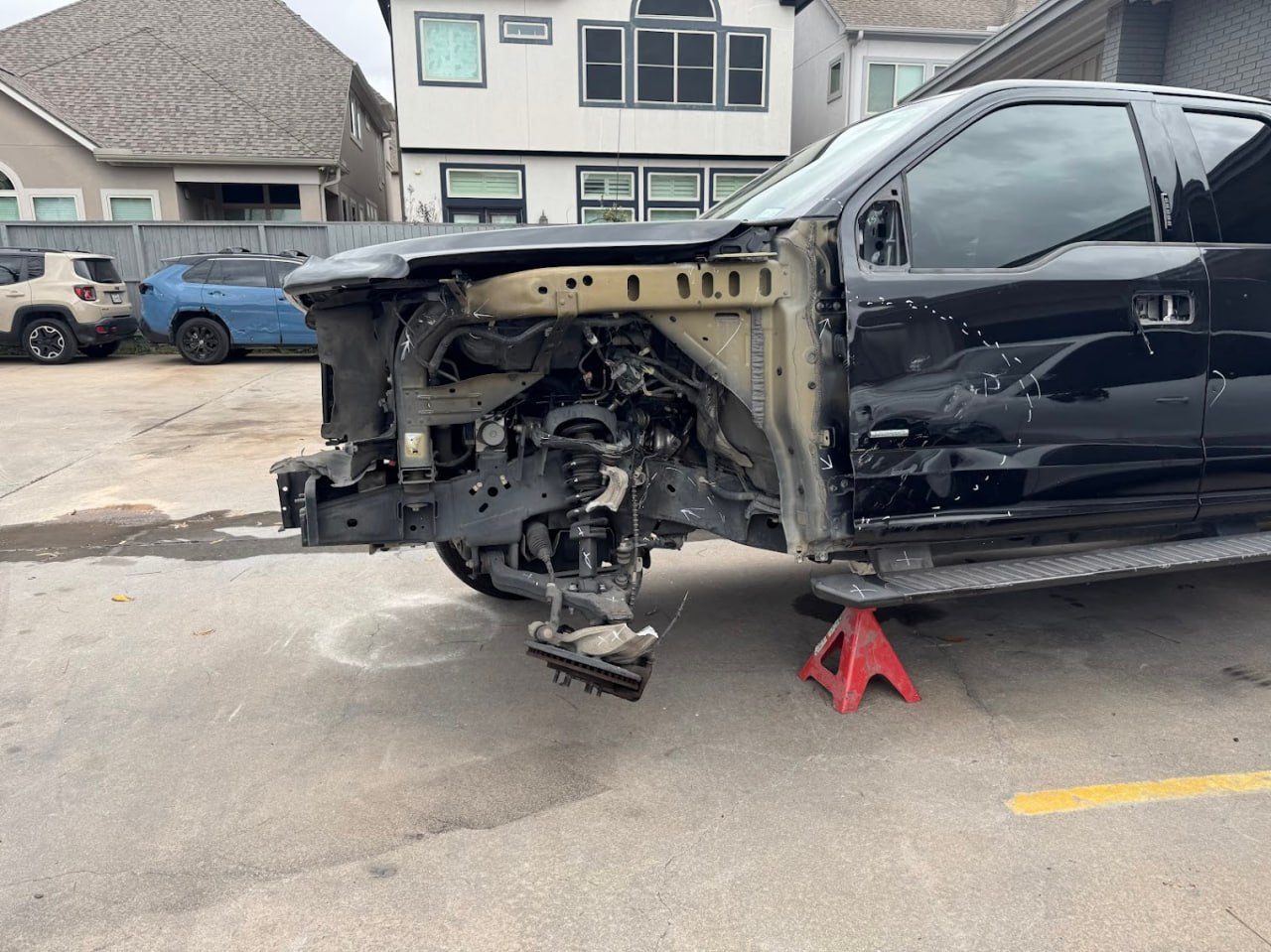
Frame damage is one of the biggest factors that can push a vehicle toward total loss. Today, structural damage is not just a repair-cost issue. It is also a liability issue. Insurance companies do not want to carry the risk of a poorly justified structural repair if the numbers already make the vehicle borderline.
That is why customers dealing with structural damage should understand how important frame repair services are in the discussion. Once the frame or major structural points are involved, the repair conversation changes fast.
Airbags are another major player in total loss decisions. On newer vehicles, airbag deployment can affect much more than the bag itself. You may also be dealing with ripped seats, damaged dashboards, headliners, steering-wheel components, modules, sensors, and calibration issues. If the vehicle only needs airbags and cosmetic work, the insurer may still keep it repairable depending on the value. But if airbags are combined with structural damage, the total-loss risk jumps fast.
Why Total Loss Decisions Surprise So Many People
It often catches people by surprise when a vehicle is declared a total loss. The damage may not look devastating at first glance. The doors may open. The engine may still start. The vehicle may even seem drivable. But total-loss decisions are based on repair cost, risk, and market value, not just how dramatic the damage looks in the parking lot.
Shops are usually mindful of this and often try to help customers avoid losing the vehicle when possible. That can mean looking for the best value parts, keeping the estimate grounded, and helping the customer understand where the repair stands. Even so, there are situations where the numbers just do not work.
Can You Negotiate a Total Loss Payout?
Sometimes, yes. Total-loss payouts are not always completely fixed. If the insurance company undervalues the vehicle, you may be able to push back with better local comparables, recent service records, trim-level details, and condition evidence.
This is where hard facts matter. If you can show that similar vehicles in your area are selling for more than what the insurance company used, that can strengthen your position. That is also why a local market tool can be helpful. It gives you a clearer starting point before you accept the first number.
If you want to check the market first, use our Houston total loss value estimator to compare similar vehicles and get a better feel for your possible range.
How Maintenance and Condition Affect the Payout
Recent maintenance can matter, especially if it was done in the last 6 to 12 months. It is usually not a dollar-for-dollar increase in payout, but it can still influence how the insurer views overall vehicle condition.
For example, if you recently replaced tires, did suspension work, installed a new battery, handled major scheduled maintenance, or completed repairs that clearly improved drivability and condition, that may help support the argument that your vehicle was in better shape than average before the accident.
Condition matters in blue book value of vehicle conversations too. Even though many people use the term loosely, the bigger idea is the same: better-maintained vehicles typically deserve a stronger valuation than neglected ones.
Should You Buy Back a Totaled Vehicle?
You usually have the option to buy back your totaled vehicle, but that does not always mean it is the smart move. If you keep the vehicle, your payout is usually reduced by the salvage value, which is what the insurer believes they could have recovered by selling the damaged vehicle. If you carry a deductible, that may also come out of the final payout.
In some situations, buying the vehicle back can make sense, especially if the damage is limited, the vehicle has sentimental value, or the repair plan is still financially workable. In many other cases, especially when there is frame damage, it is usually better to let the vehicle go.
What Happens Next if the Vehicle Is Totaled
If the insurer decides the vehicle is a total loss, the process usually moves into paperwork, payout review, and release. Before the vehicle is picked up, the owner normally has to provide a verbal release or similar approval for the handoff. Customers are also generally given time to clean out their vehicle and remove personal belongings before the carrier takes possession.
This part can feel emotional and rushed, especially if the total-loss decision was unexpected. That is why it helps to know the process before it happens.
Use Our Houston Vehicle Value Tool
If you are trying to understand your total loss value, the smartest first step is to look at real market data before accepting the first number at face value. Our tool can help you compare local vehicles and build a clearer picture of what your car may be worth in the Houston market.
Total Loss Value FAQs
What percentage of a car’s value makes it a total loss?
Many insurers start taking a close look at total loss once repair cost reaches around 65% of actual cash value, though every claim is still case by case.
Can frame damage total a vehicle by itself?
Frame damage can absolutely push a vehicle into total-loss territory because it raises both repair cost and liability concerns.
Do airbags make it more likely a car will be totaled?
Yes. Airbags often damage more than customers expect and can add major replacement and calibration cost, especially on newer vehicles.
Can I negotiate a total loss payout?
Sometimes. Strong comparable vehicles, maintenance history, and accurate trim and condition details can help support a better payout discussion.