
What to Do After a Car Accident in Houston: A Practical Step-by-Step Guide
Quick Answer
After a car accident in Houston, make sure everyone is safe, document the damage, exchange information, and report the claim before moving forward with repairs. The right next steps can protect both your safety and your insurance position.
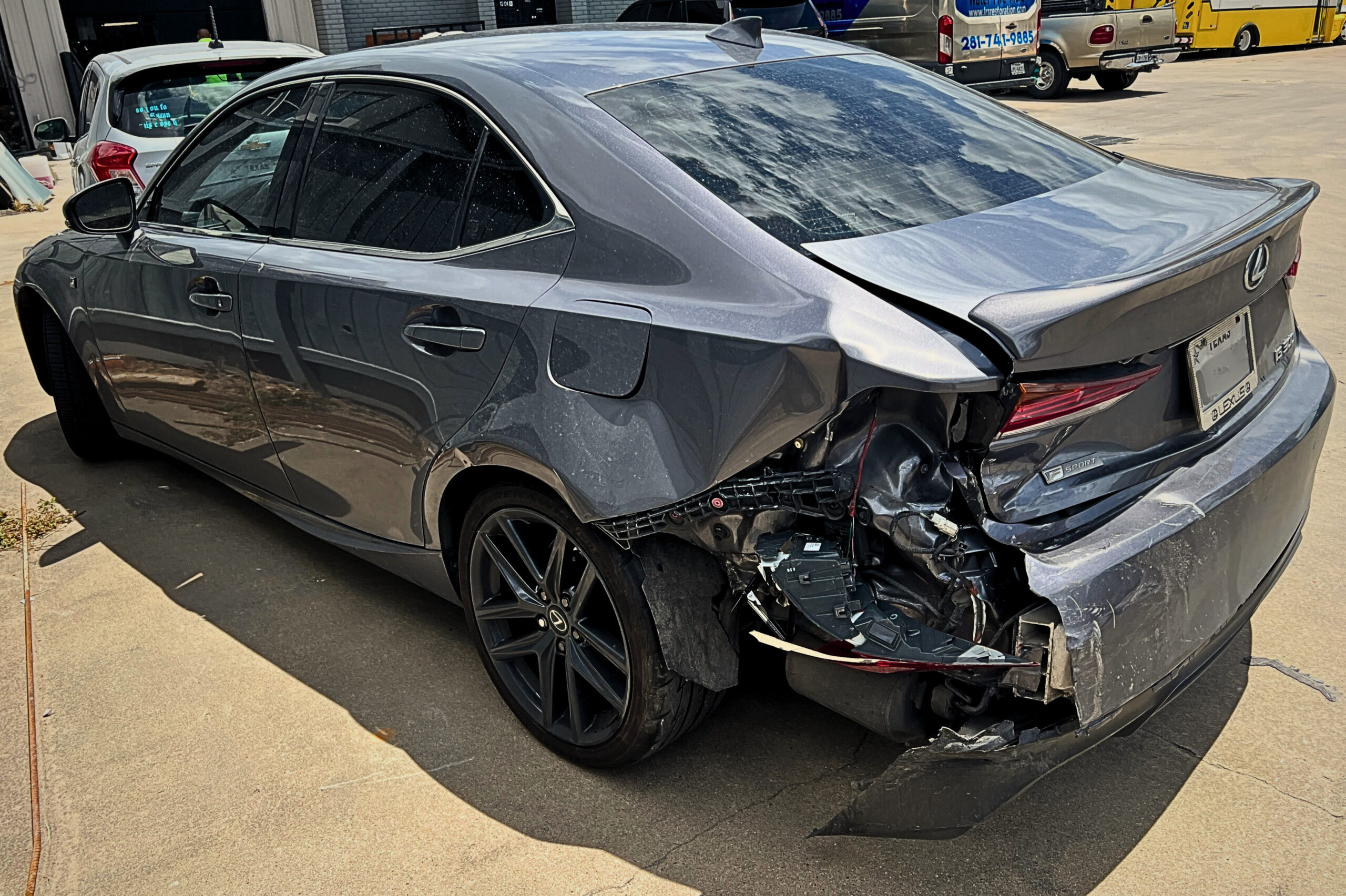
After a crash, small decisions in the first hour can impact your claim, timeline, and final repair outcome. This Houston-focused guide helps you stay calm, document correctly, and move into repairs with confidence.
Table of Contents
Quick Guide: First 5 Moves After a Crash
- Confirm safety and call emergency services if needed.
- Photograph all vehicles, damage areas, and scene context.
- Exchange key information and claim-related details.
- Open your insurance claim promptly.
- Get a quality-focused repair estimate before approving work.
At the Scene: What Matters Most
Your first priority is safety, not paperwork perfection. Move to a safe area when possible and check for injuries. If emergency response is needed, call immediately and follow official instructions.
Once safe, start collecting practical evidence. Clear photos from multiple angles can prevent confusion later when carriers and shops review damage scope.
Capture these visuals
- Full vehicle shots from all sides
- Close damage shots (with lighting from more than one angle)
- Road position, lane markings, and nearby signs
- Any secondary visible damage (glass, sensors, wheel area)
Documentation That Protects You During Claims
Strong documentation reduces back-and-forth. Keep a single record with claim number, adjuster contact, photos, estimate versions, and timeline updates. Customers who do this tend to avoid unnecessary delays.
If your vehicle has bumper impact, glass damage, or steering concerns, ask about related post-repair checks early so there are fewer surprises later.
How Insurance Claim Steps Usually Play Out in Houston
Most claims include an initial estimate, repair authorization, possible supplements, and final closeout. Supplements are common because hidden damage often appears after teardown.
For claim-focused support, use our dedicated auto repair insurance claims guide.
What helps most is choosing a team that documents supplements quickly and communicates in milestones, not generic status messages.
Choosing the Right Repair Path After the Claim Opens
Choose based on process quality, not estimate speed alone. Ask how the shop handles structural checks, refinishing quality, and related recalibration requirements when applicable.
Explore these service pages based on damage type: collision repair, body shop repair, dent repair, bumper repair, and Tesla collision repair.
Common Post-Accident Damage Types Houston Drivers Overlook
Some vehicles look mostly cosmetic after impact but still need a deeper review. This is especially common in low-to-moderate collisions where hidden mounting or alignment issues are not immediately visible.
- Front bumper impact with sensor bracket movement
- Quarter panel or door impact with hidden edge-line distortion
- Windshield or glass damage affecting camera visibility and alignment
- Steering pull or uneven tire behavior after collision
- Rear impact with hidden support damage behind the cover
Depending on impact type, these pages can help you evaluate next steps: collision repair services, body shop repair, bumper repair, and auto glass replacement.
What To Do After an Accident: A Better Sequence for Faster Recovery
Most people know the basic checklist, but order matters more than people realize. A clear sequence lowers stress and reduces claim friction later.
- Safety first: confirm everyone is safe and move to a secure area if possible.
- Capture proof: collect clean photos before vehicles are moved when safe to do so.
- Start claim quickly: keep all claim details in one note or folder.
- Get a quality-based inspection: focus on complete scope, not just estimate speed.
- Approve with clarity: ask who owns communication and supplement updates.
Using this sequence gives you more control and fewer surprises during repair.
A Simple Decision Framework Before You Approve Repairs
If you’re deciding between multiple shops, score each one on these five questions:
- Did they explain hidden damage and supplements clearly?
- Did they define update milestones and owner contacts?
- Can they coordinate all likely related repair disciplines?
- Do they explain final quality checks before handoff?
- Do you feel informed rather than pressured?
Shops that score high here usually produce a smoother experience and stronger outcome quality.
Post-Accident Mistakes That Create Extra Delays
- Waiting too long to open the claim after the incident
- Approving repairs before hidden-damage process is explained
- Ignoring supplement updates and timeline checkpoints
- Choosing by estimate total without evaluating communication quality
- Not asking about related calibration or safety-system checks
Avoiding these mistakes can shorten decision time and improve your final repair experience.
Post-Accident FAQ
Should I file a claim immediately after an accident?
In most cases, yes. Starting promptly helps keep documentation accurate and improves timeline visibility.
Why can repair estimates change later?
Teardown can reveal hidden damage. Supplements are used to document and approve added scope.
How do I avoid repair delays?
Keep records organized, respond quickly, and choose a team that gives milestone updates.
What if I’m unsure where to begin?
Contact the shop directly and ask for a guided intake. A clear process at the start usually prevents confusion later.
With the right guidance, your next steps can be simple and predictable even after a stressful accident.